Sanya Shi
Hainan Sheng,
China
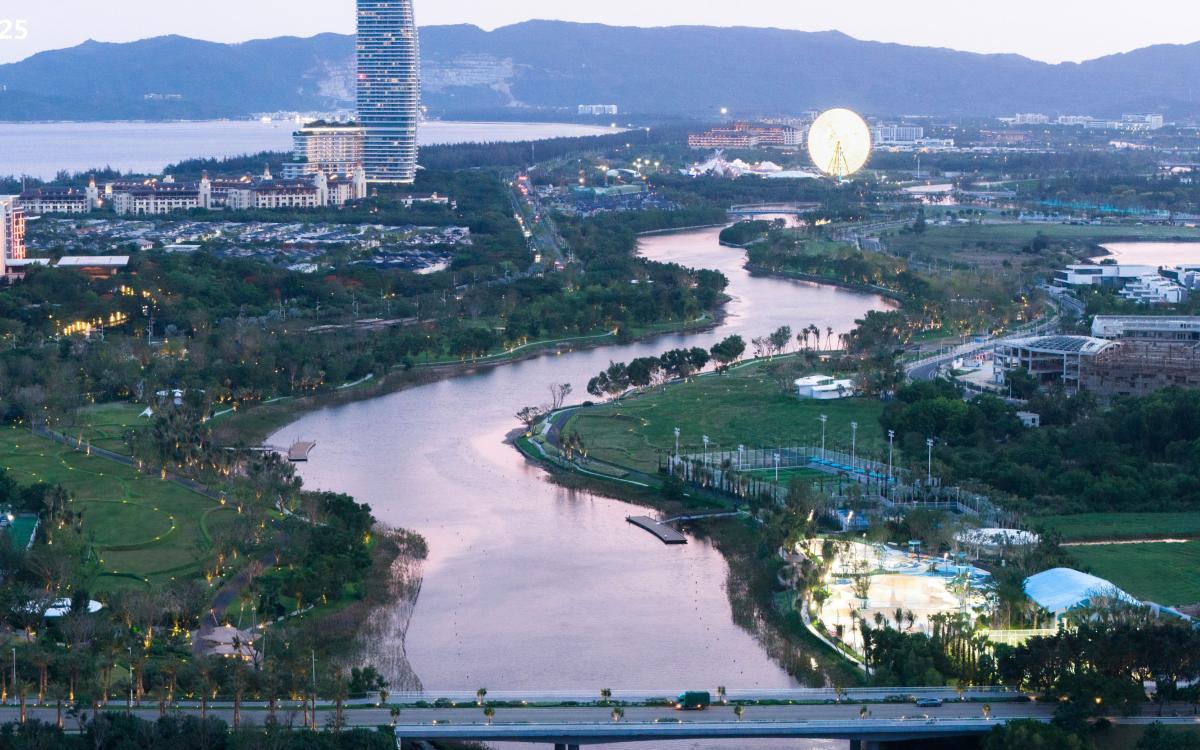
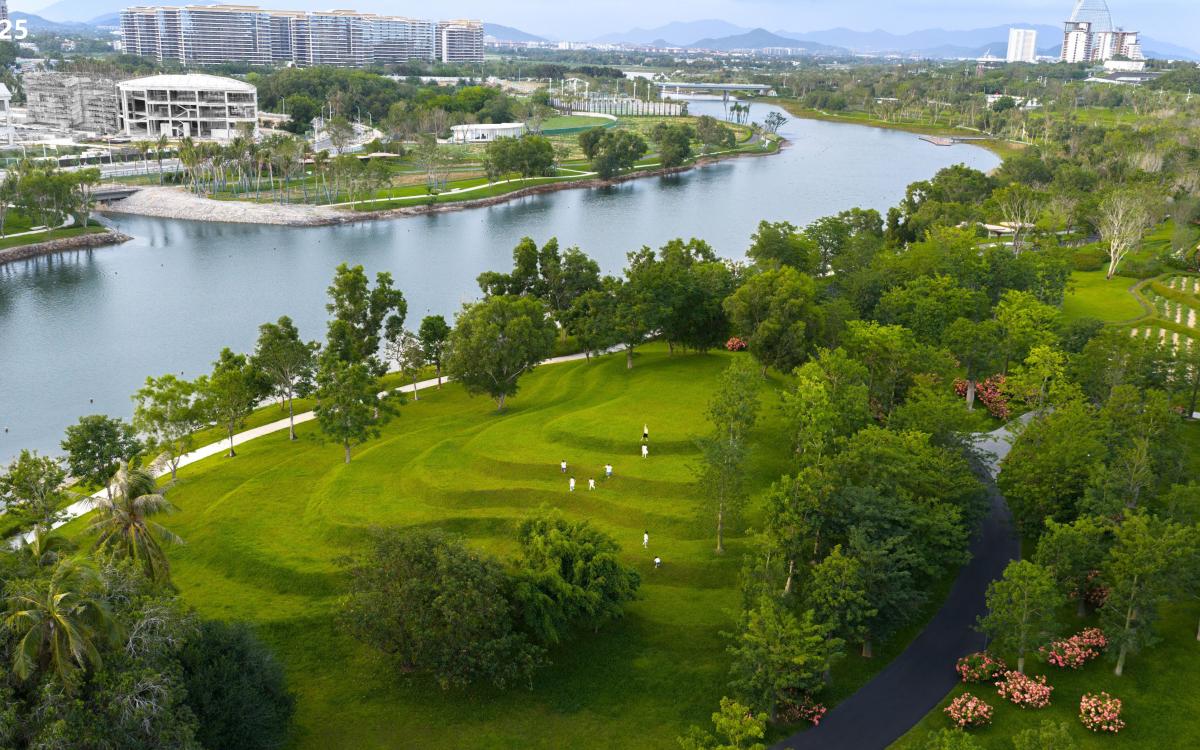
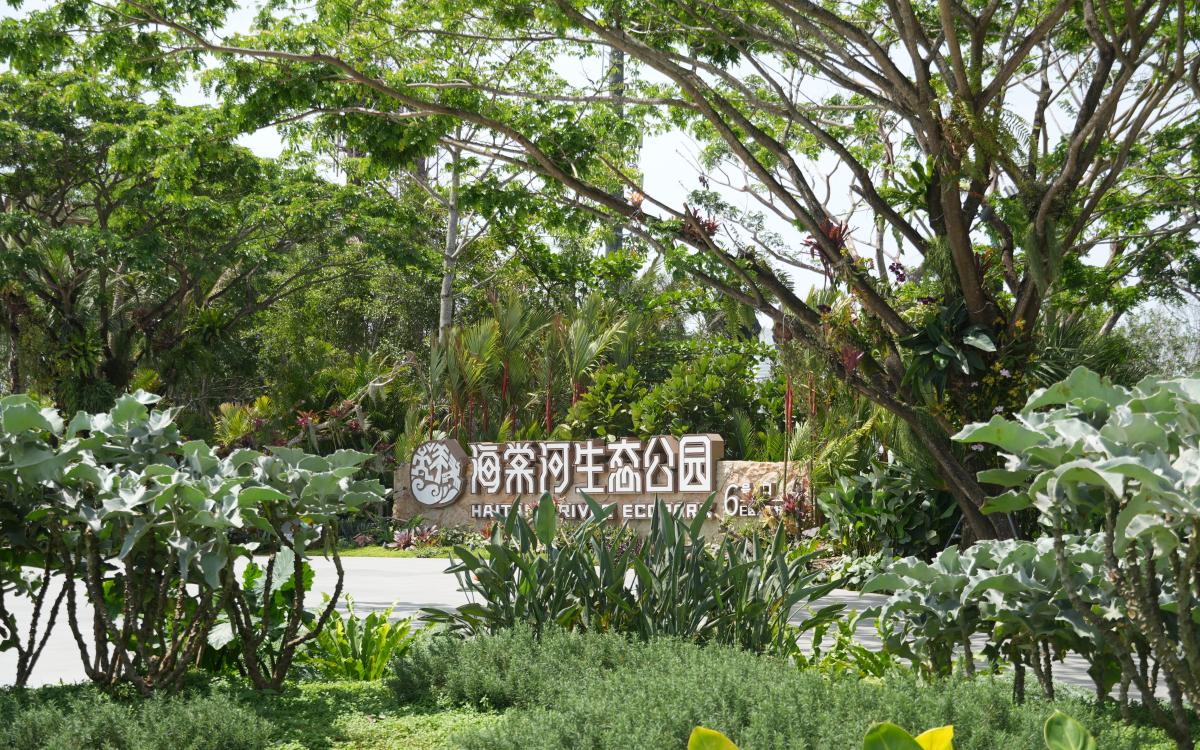
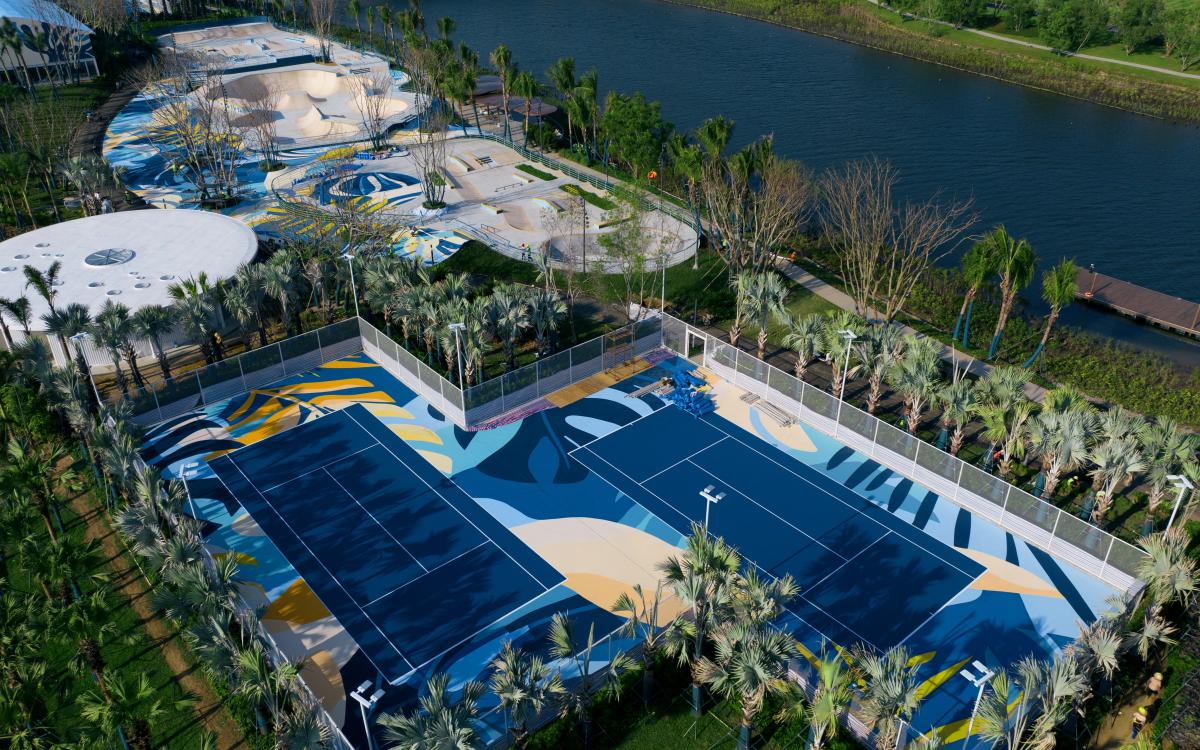
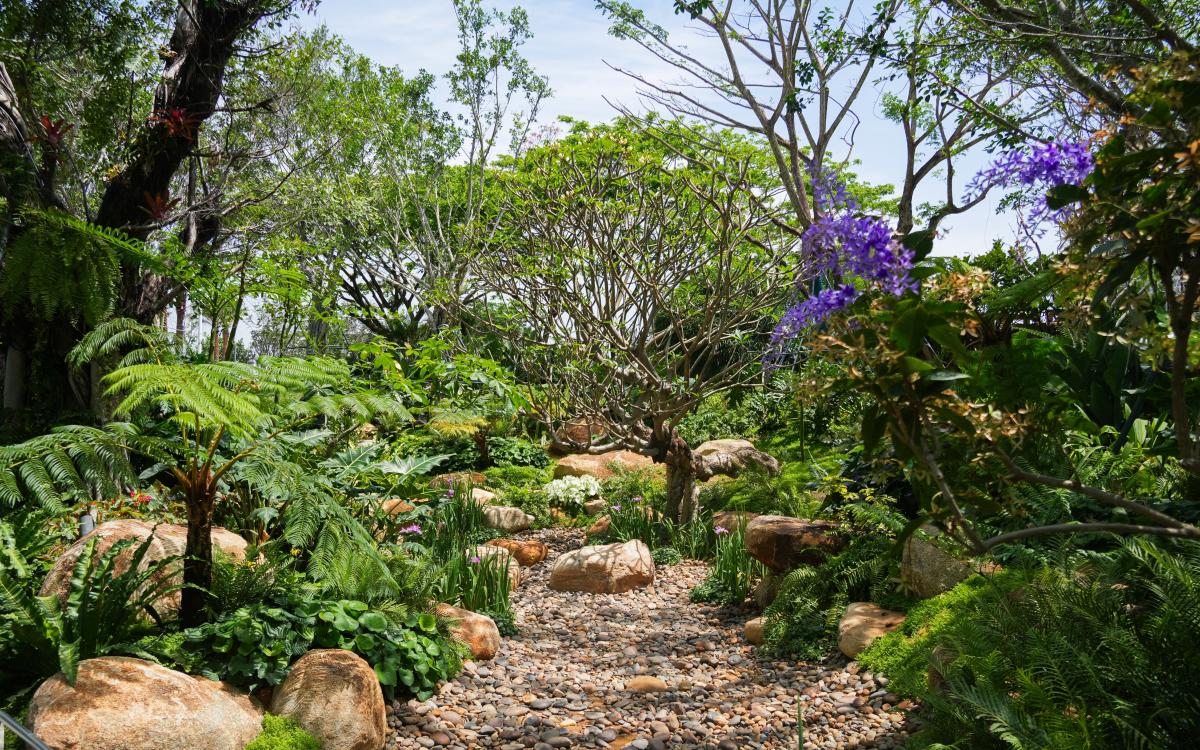
Haitang Eco Park Phase II in Sanya, China, has achieved SITES v2 Platinum certification. Located in a tropical coastal riverine setting, the project transformed degraded soils and fragmented habitats into a resilient ecological park system through an integrated strategy covering soil remediation, reuse of abandoned farmland, mangrove restoration, native plant communities, habitat creation, and long-term sustainable maintenance.
Several key interventions supported the project’s ecological recovery. All invasive plants were systematically removed to reduce ecological pressure on sensitive riparian areas and create conditions for native species to re-establish. Severely disturbed soils were restored through soil protection, organic amendment, and construction-phase management measures, providing a functional foundation for long-term vegetation growth. The landscape further adopted a rewilding approach, allowing native tropical plant communities to recover through naturalized succession rather than ornamental planting alone, thereby strengthening habitat value, biodiversity, and resilience. Interactive educational signage was also integrated throughout the park to communicate ecological restoration strategies and promote public understanding of sustainable site management.
Beyond ecological performance, the park provides a high-quality public realm for local residents and visitors. It improves access to nature, supports recreation and environmental education, strengthens community connection to the river landscape, and offers a practical model for tropical riparian restoration and sustainable land development in coastal cities.
“SITES certification was important for Haitang River Eco Park Phase II because it provided a measurable framework for translating a complex tropical river restoration effort into verified long-term performance. For a site challenged by disturbed soils, abandoned farmland, invasive plants, fragmented habitats, and the need to restore native vegetation, SITES helped structure the project’s ecological goals into clear strategies for design, construction, and ongoing operations.” - TREND